
So, you’ve got your sewing machine ready, a pile of fabric waiting, and an eagerness to dive into the world of sewing. But where to begin? Mastering a few basic sewing techniques is the perfect way to set yourself up for success. These foundational skills will help you tackle beginner projects with confidence and set the stage for more advanced creations in the future. Let’s get started!
1. Threading Your Sewing Machine
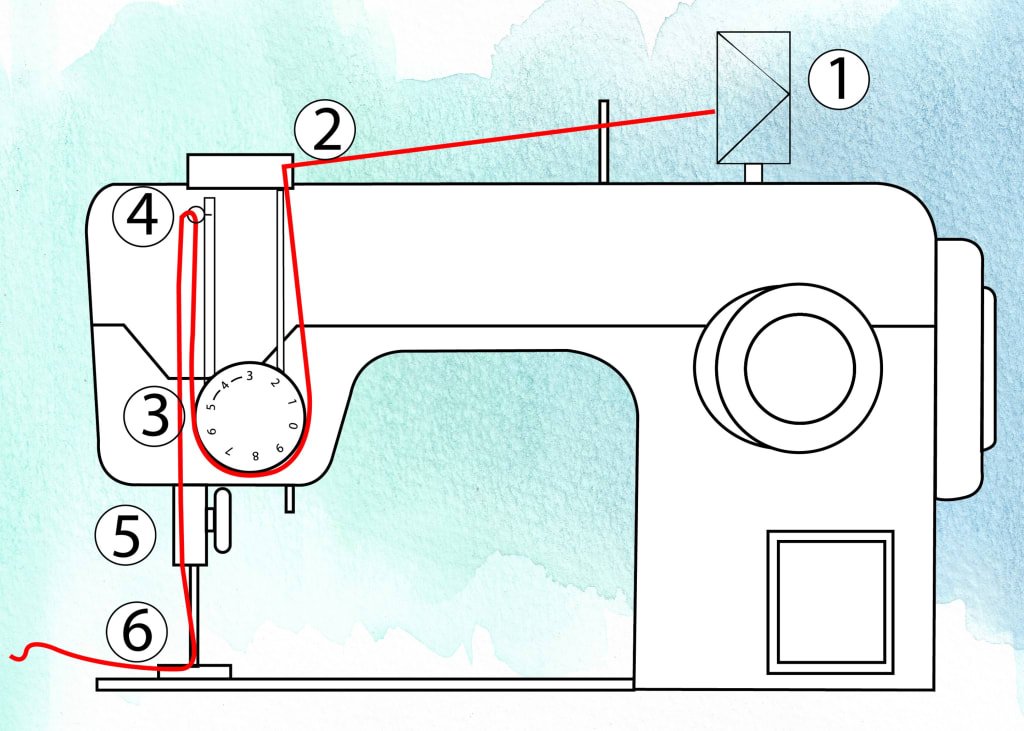
It might seem tricky at first, but threading your sewing machine is an essential skill that gets easier with practice. Start by carefully following your machine’s manual, as each model can have slightly different steps.
Tips for Success:
- Don’t forget to thread the bobbin, too! Many machines have a built-in winder that makes this step a breeze.
- Use brightly colored thread for practice to make it easier to see what you’re doing.
2. Practicing Straight Stitches

Straight stitching is the foundation of almost all sewing projects. To get comfortable, start with a scrap piece of fabric and practice sewing in straight lines. Focus on maintaining even spacing between stitches.
Tips for Success:
- Take your time—sewing slowly is better than rushing and making mistakes.
- Use the guide lines on your machine’s plate to help keep your fabric straight.
3. Mastering Backstitching
Backstitching is a technique used to secure your stitches at the beginning and end of a seam. It prevents your work from unraveling over time. To backstitch, simply sew a few stitches forward, then hold down the reverse lever and sew a few stitches backward before continuing.
Tips for Success:
- Practice on scrap fabric until you feel confident.
- Use backstitching sparingly; too much can make your seams bulky.
4. Learning to Pivot
Turning corners is easier than you might think! The pivot technique allows you to sew sharp corners without lifting your needle completely. Sew to the edge of the fabric, stop with the needle down, lift the presser foot, and rotate your fabric before continuing.
Tips for Success:
- Mark your corners with a pencil or fabric chalk to sew right up to the turning point.
- Practice on square fabric pieces to get the hang of it.
5. Pressing Seams
Pressing (not ironing!) your seams is a game-changer for achieving a polished, professional look. Press seams open or to one side, depending on your project.
Tips for Success:
- Use a pressing cloth to protect delicate fabrics.
- Keep an iron nearby while sewing to press as you go—it makes assembly much easier.
6. Understanding Seam Allowances
A seam allowance is the distance between your stitching line and the edge of the fabric. Most patterns will specify the seam allowance, with 1/4″ or 5/8″ being common for beginner projects.
Tips for Success:
- Use a seam guide attachment or washi tape to mark your desired seam allowance on your machine.
- Practice sewing with consistent allowances to improve accuracy.
7. Hemming Basics

Hemming is how you finish the edges of your fabric for a clean look. Start with a simple double-fold hem: fold the fabric edge under, press it, fold it again, and sew it down.
Tips for Success:
- Pin or clip the hem in place to prevent it from shifting.
- Use a longer stitch length for hems to give a polished finish.
Practice Makes Progress!
Don’t worry if your stitches aren’t perfect at first—sewing is all about practice and patience. Start with small, manageable projects to refine these techniques. As you grow more comfortable, you’ll be amazed at how quickly your skills improve.
Remember, every sewing master started as a beginner. With these basic techniques under your belt, you’re well on your way to creating beautiful, handmade pieces. Happy sewing!
Got questions or tips of your own? Share them in the comments below—we’d love to hear from you!